The Coaching Methodology.
A description of how Falrone constructs, delivers, and reviews its coaching programmes. This page documents the process in full — intake through to phase review — so that prospective clients understand the approach before committing.
Intake & Assessment
The process begins with a 60-minute intake session. This is not a trial workout. It is a structured conversation and movement assessment designed to produce a clear picture of the individual's current physical condition, objectives, schedule, and any movement patterns that require attention in programme design.
The intake includes: a movement screening (7-point FMS-based assessment), a body composition baseline, a goal-setting conversation, and a review of training history. No physical exertion is expected beyond the assessment movements.

Plan Construction
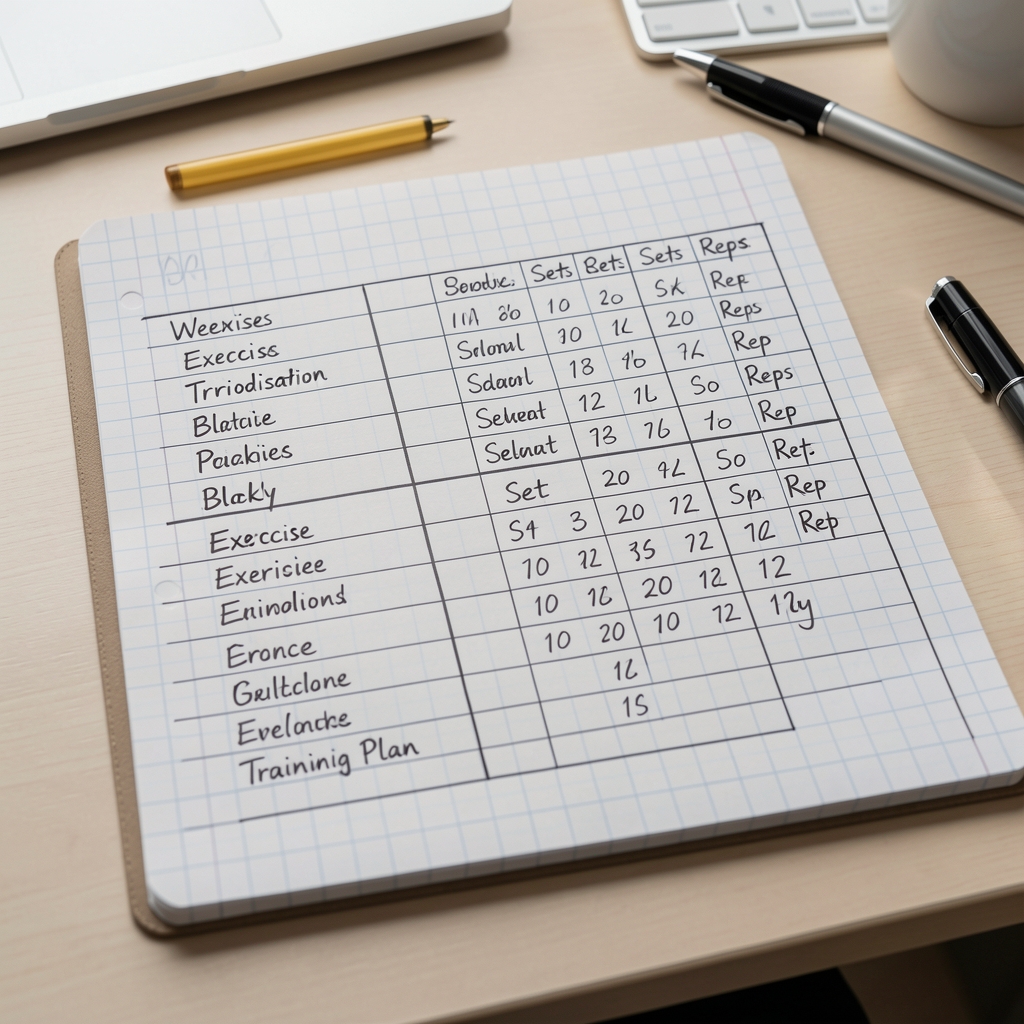
Following the intake, a periodised plan is constructed before the first active session. The plan is written from the intake data: the movement screen findings, the stated objectives, and the weekly schedule the individual can realistically sustain.
Plans are structured in phases — typically 4 to 6 weeks each — with each phase having distinct loading parameters. The full plan includes phase goals, exercise selection rationale, and a weekly schedule document. The individual receives a copy before the first session.
Programme Delivery
In-person sessions follow the planned structure with real-time coaching. The coach observes and corrects form, adjusts loading within the session based on readiness indicators, and maintains a session log. For remote clients, the plan is delivered digitally and supported by written guidance notes for each phase.
A session recap is provided to in-person clients within 24 hours of each session. It includes: exercises performed, loading achieved, form observations, and any notes for the next session.

Weekly Check-In
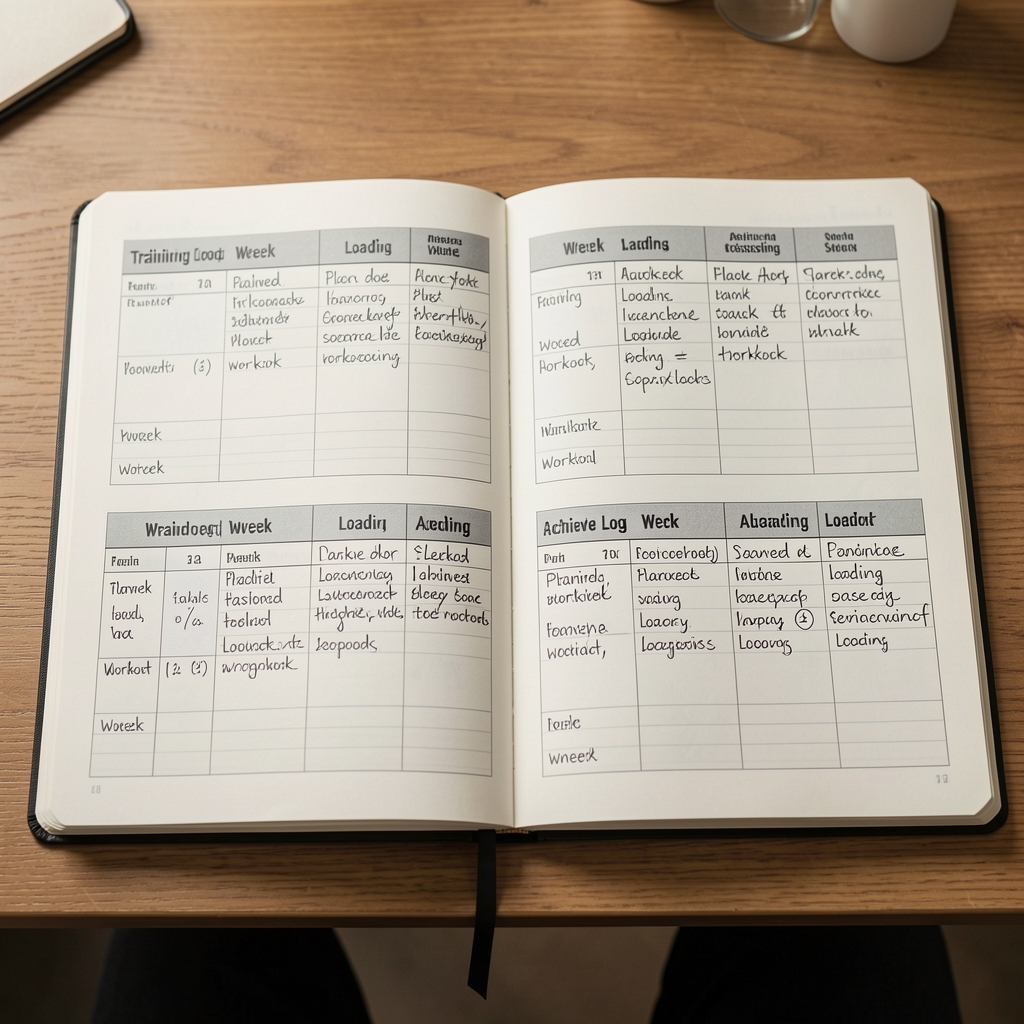
Every programme includes a weekly check-in. For in-person clients, this is embedded in the session cadence. For remote clients, this is a brief written exchange reviewing the training log. The purpose is not motivational — it is analytical. The coach reviews load achieved versus planned, any deviation from the schedule, and recovery indicators noted by the individual.
Adjustments are made immediately when the check-in reveals a pattern — consecutive sessions below planned loading, reported fatigue accumulation, or schedule disruption — rather than waiting for the formal phase review. This responsive adjustment is a core feature of the methodology, not an exceptional action.
Phase Review
At the end of each phase (typically every 4 to 6 weeks), a formal review is conducted. This compares the phase targets against the training log and any reassessment measures. A body composition reassessment may be performed. Movement quality is re-evaluated against the intake baseline.
The phase review produces a written summary: what was achieved, what was modified during the phase, and what the following phase will address. This document is retained in the client's file.
Programme Renewal
After two or three phases, a programme renewal discussion takes place. Objectives may have evolved. The individual's capacity will have changed. A new plan is constructed from the updated baseline — not extended from the old one. This prevents the stagnation that occurs when a plan is simply continued beyond its designed scope.
Long-term clients at Falrone typically move through two to four distinct programme cycles per year, each building on the documented progress of the previous. The training log and all assessment records are retained across cycles to support this continuity.
Why phased loading matters.
A periodised plan is not simply a programme with variety. It is a structured distribution of stress and recovery across time — designed to produce adaptation without accumulating fatigue beyond the individual's ability to recover.
The Falrone approach uses a three-phase structure within each programme cycle: an accumulation phase (building volume), an intensification phase (increasing load), and a realisation phase (expressing the developed capacity). Each phase typically runs 4 to 6 weeks, with a deload week between intensification and realisation.
This framework draws on well-documented principles from strength and conditioning research. The specific parameters — sets, repetitions, load, rest — are set individually based on the assessment data and adjusted week to week based on the training log.
Assessment as foundation, not formality.
The movement screening at Falrone is not a formality completed to justify the first session. It is the primary data source for programme design. Without it, the loading parameters and exercise selection in the plan are guesses. With it, they are grounded decisions.
The 7-point assessment evaluates: deep squat mechanics, hurdle step patterns, inline lunge movement, shoulder mobility, active straight-leg raise, trunk stability push-up, and rotary stability. Each is scored against a consistent standard and documented.
Patterns identified in the screen — a restricted hip external rotation, a compensated shoulder position — are addressed in the programme through mobility work, targeted activation sequences, or exercise modifications. They are not ignored because they are inconvenient to address.
Evidence-Informed Decisions
Programme design at Falrone is shaped by published research in periodisation, movement science, and active recovery. Decisions are made from documented evidence, not convention or habit. Where evidence is limited or contested, it is acknowledged as such.
Documented Records
Every assessment, session log, phase review, and programme document is retained. No coaching decision is made from memory — it is made from the training record. This documentation standard is maintained across all programme formats, including remote clients.
Scope Integrity
Falrone is an independent wellness practice. Coaching is confined to structured movement and lifestyle support within the scope of an accredited personal training qualification. Matters requiring qualified wellness or nutrition professionals are referred accordingly.
Falrone is an independent wellness resource focused on everyday movement and active lifestyle practices. The coaching and content provided are not affiliated with any governmental or institutional body. We recommend speaking with a qualified wellness or nutrition professional before introducing significant changes to your routine, particularly if you have specific requirements.
Common Questions on Process
The process begins with a conversation.
An initial intake consultation is available without charge. It covers everything described on this page in the context of your specific objectives.